Icon — Community Platform · Social Product
Community Platform · Social Product

Designing a flexible community platform that unified messaging, events, and memberships into one scalable experience.

Icon was a startup venture focused on helping organizations create private digital communities where members could connect through messaging, events, and subscriptions.

As Lead Product Designer, I led product strategy, information architecture, UX, UI, and the design system from concept through investor-ready MVP.

Role
Lead Product Designer
Timeline
8 Months · 2026
Industry
Community Platform · Social Product
Team
Product Manager · Junior Product Designer · Lead Product Designer (Me)
Why It Mattered

Before the answer,the tension that demanded one.

The challenge wasn't designing another messaging application. Organizations — from universities and athletic programs to brands and gig-worker networks — needed flexible community spaces with different permissions, memberships, privacy settings, and communication models.

01

Many communities, one product

Public, private, and secret communities plus nested groups all had to coexist inside a single, coherent product model.

02

Communication in every shape

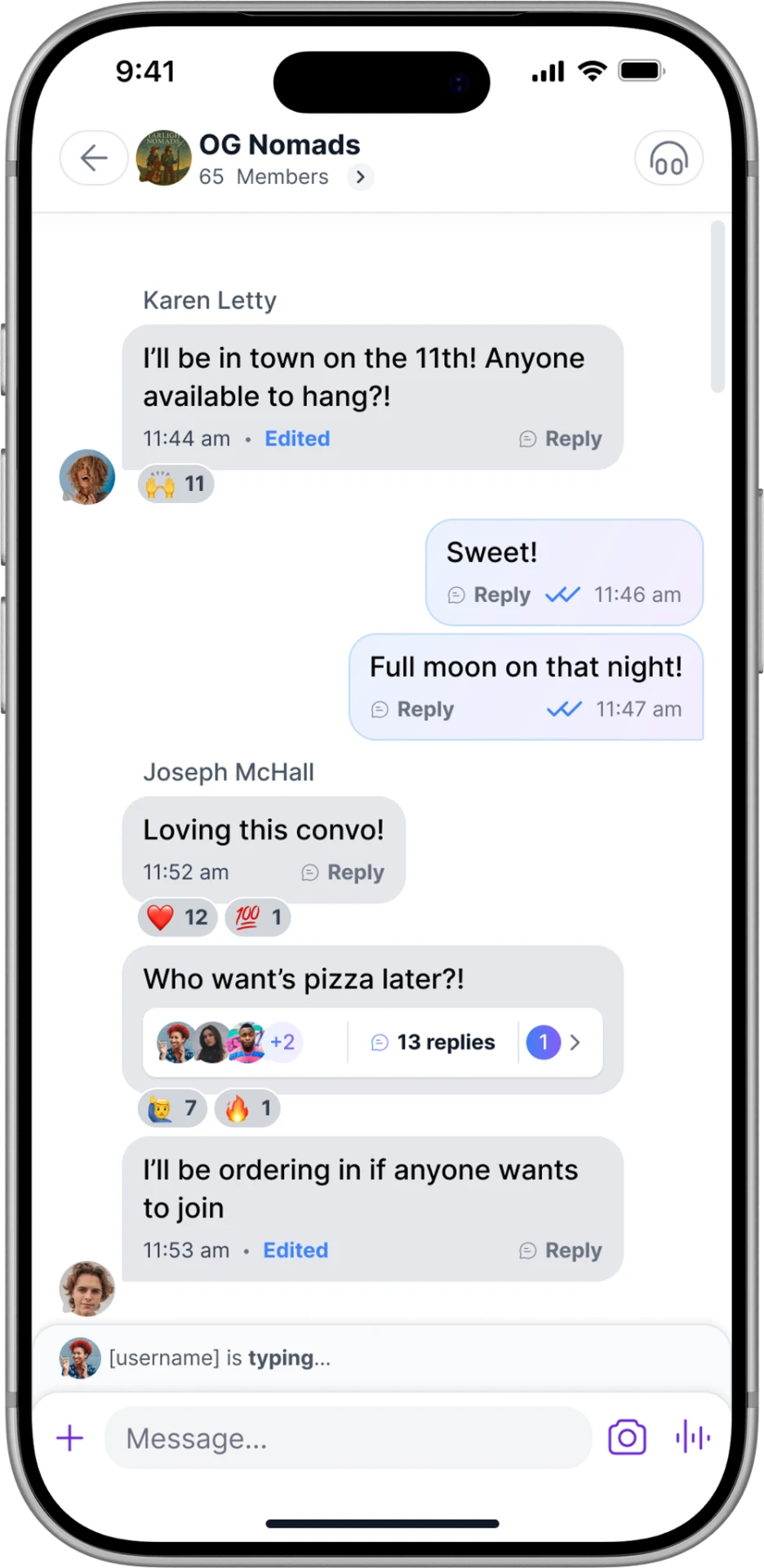
Direct messaging, group conversations, live events, and in-person events each carried different expectations for presence, notification, and permission.

03

Membership and monetization

Subscription-based memberships and flexible permissions had to feel native to the community rather than bolted onto it.

04

Intuitive, not overwhelming

The goal was making all of this feel intuitive — powerful for administrators without overwhelming everyday members.

The System

The shape of the problemmade visible.

The Opportunity

The betsthat earned the build.

Problem

Organizations relied on disconnected tools for messaging, events, announcements, and memberships.

Opportunity

One unified platform that adapts to public, private, and secret communities without added complexity.

Outcome

An investor-ready MVP that unified community management, messaging, events, and monetization.

The principles we held to.

  1. 01Reduce complexity without hiding functionality.
  2. 02One unified activity model instead of separate destinations.
  3. 03Design for a platform, not just an MVP.
Final Experience

The product.Revealed surface by surface.

Final product imagery is being prepared. Each panel below documents the surface, the problem it solves, and the outcome it delivered.

Placeholder · Imagery pending

Community home

Problem

Members had no single place to see what was happening across their community.

Outcome

Reduced context switching between disconnected tools.

Placeholder · Imagery pending

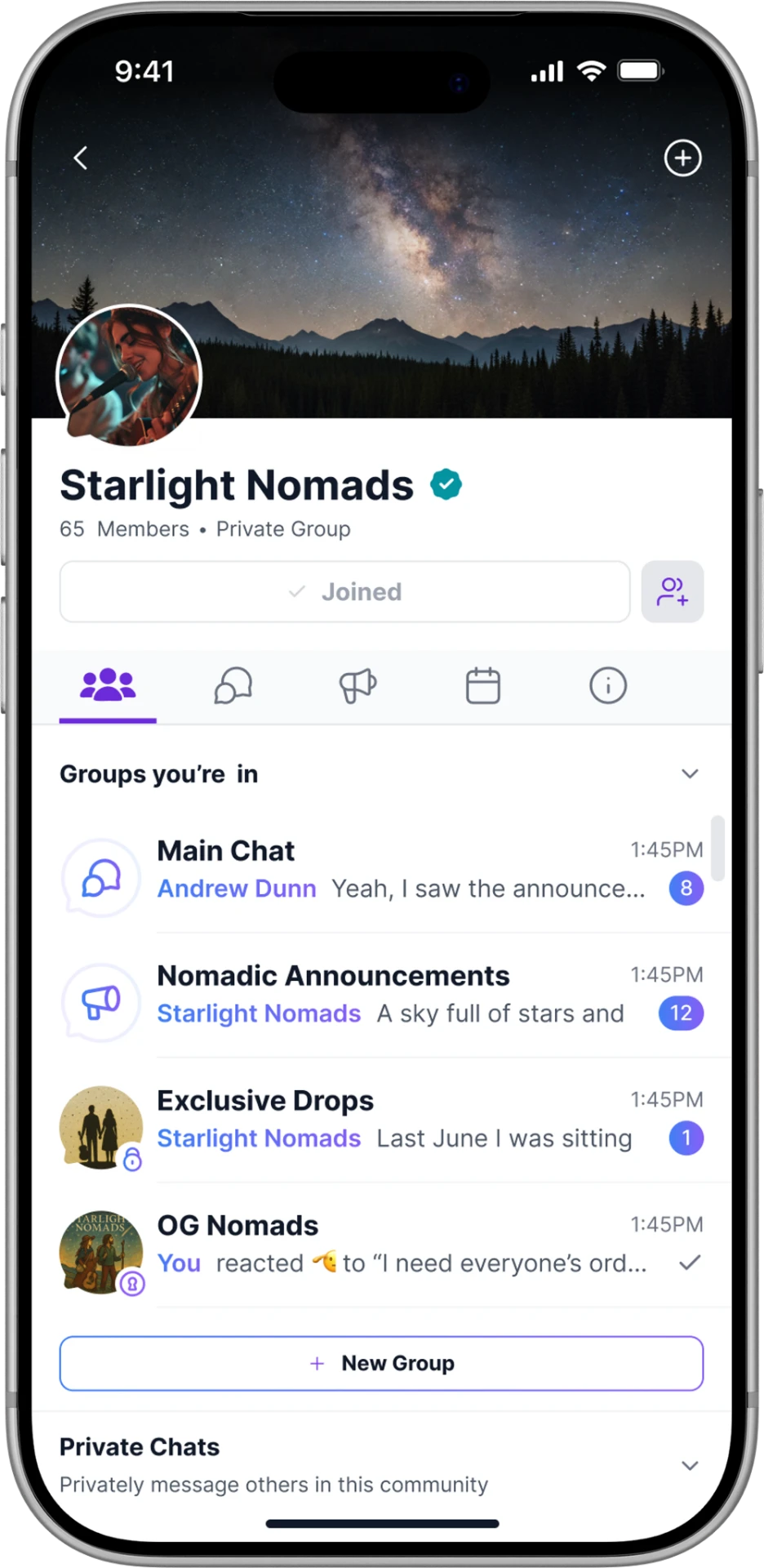
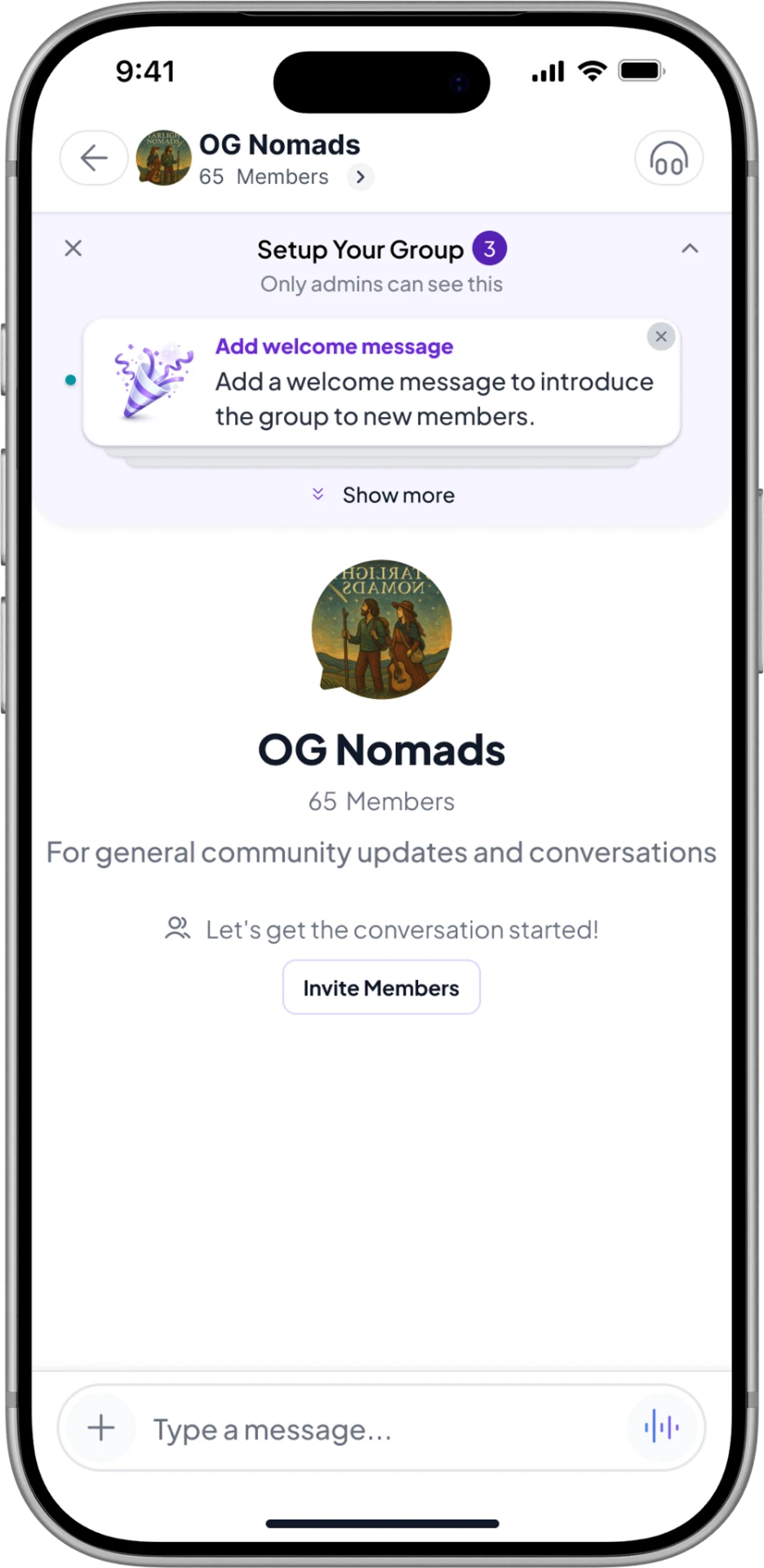
Communities and nested groups

Problem
Public, private, and secret communities each carried different privacy and permission expectations.
Solution
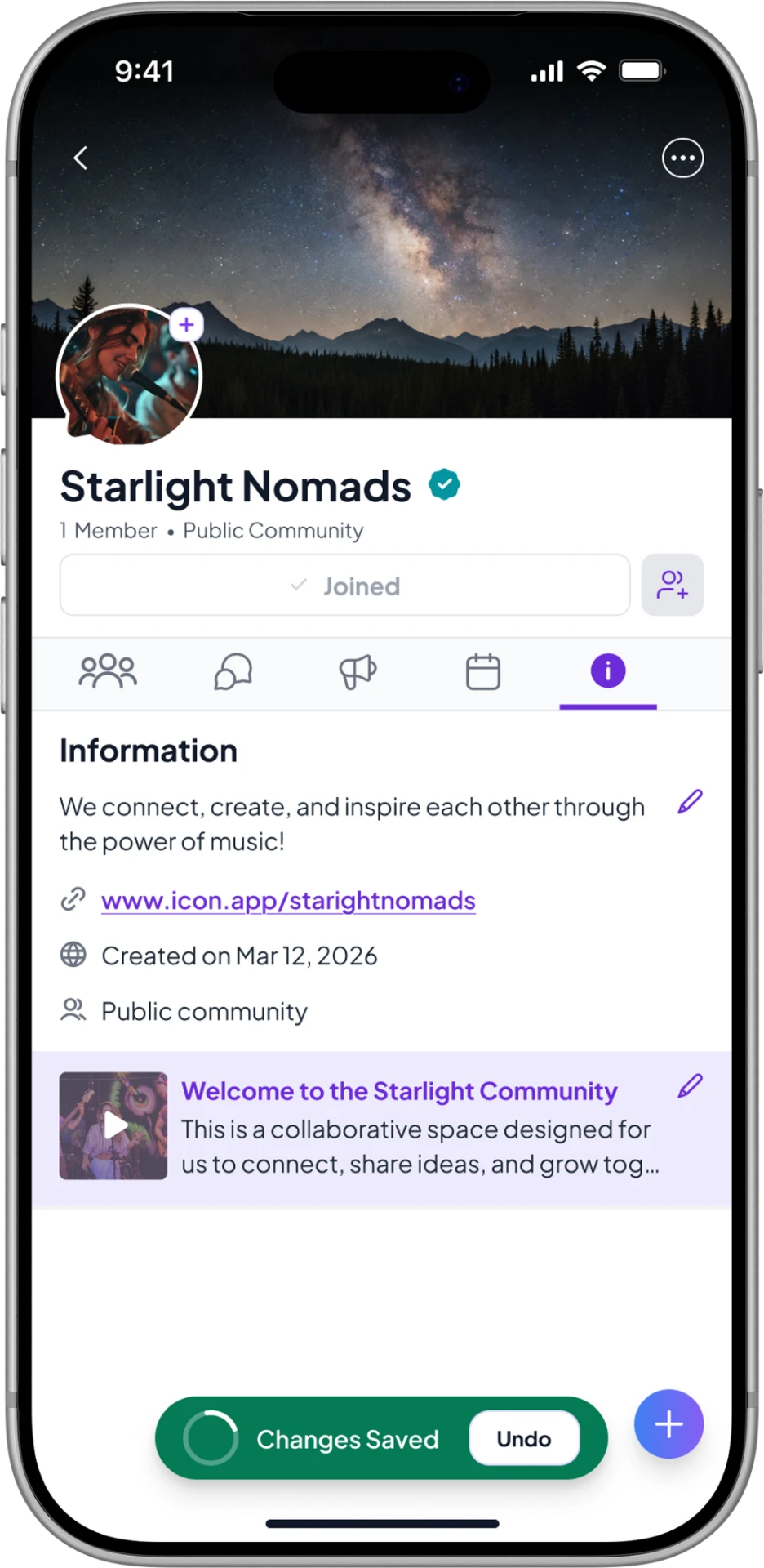
One community model with configurable visibility, nested groups, and flexible permissions.
Impact
A single architecture that adapts to universities, brands, athletic programs, and worker networks.
Placeholder · Imagery pending

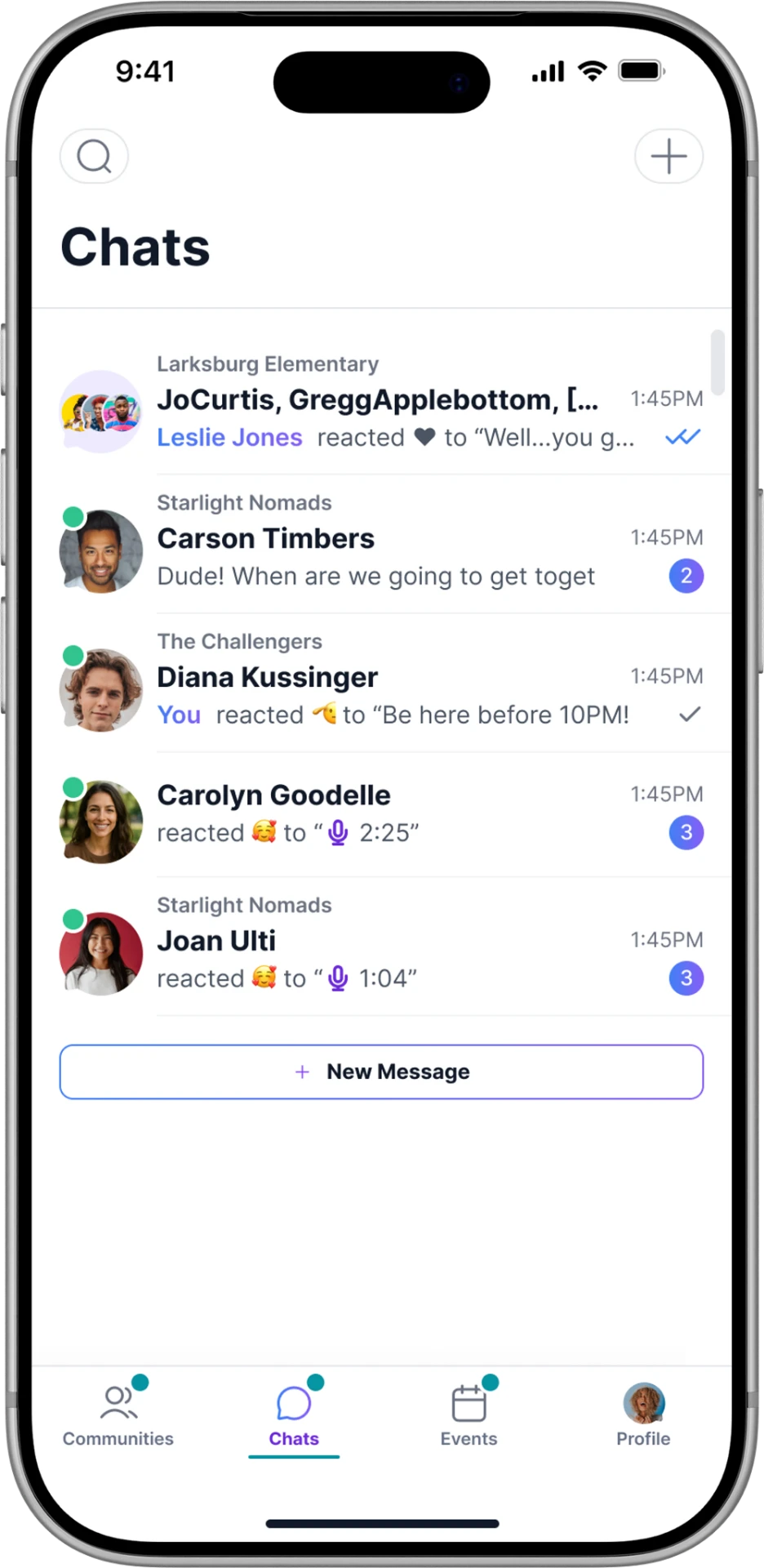
Messaging

Problem
Direct and group conversations lived outside the community that created them.
Solution
Messaging designed as part of the community, with presence and permissions inherited from membership.
Impact
Conversations stay in context instead of scattering across tools.
Placeholder · Imagery pending

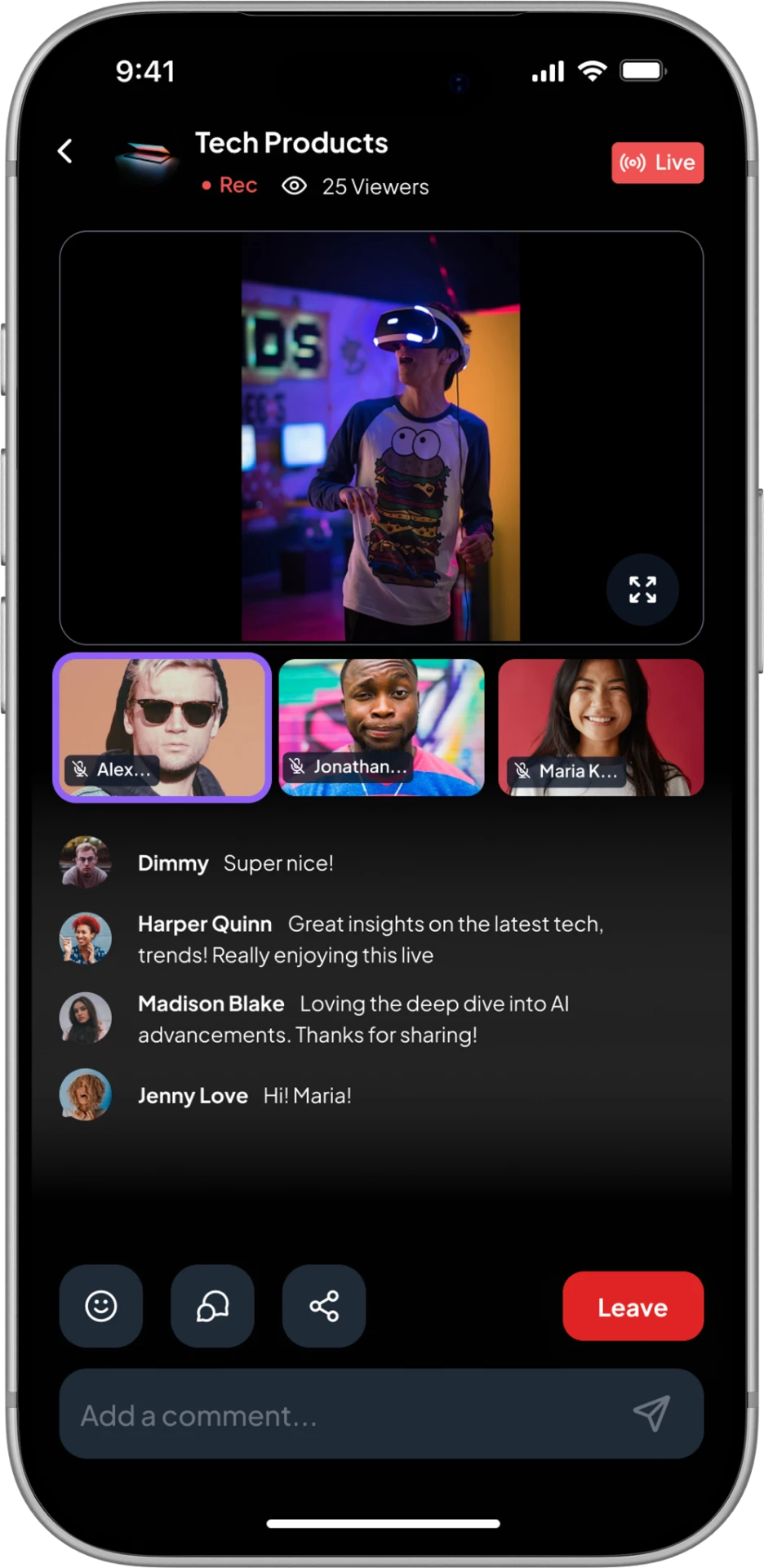
Events

Problem
Live and in-person events were coordinated in separate calendars and channels.
Solution
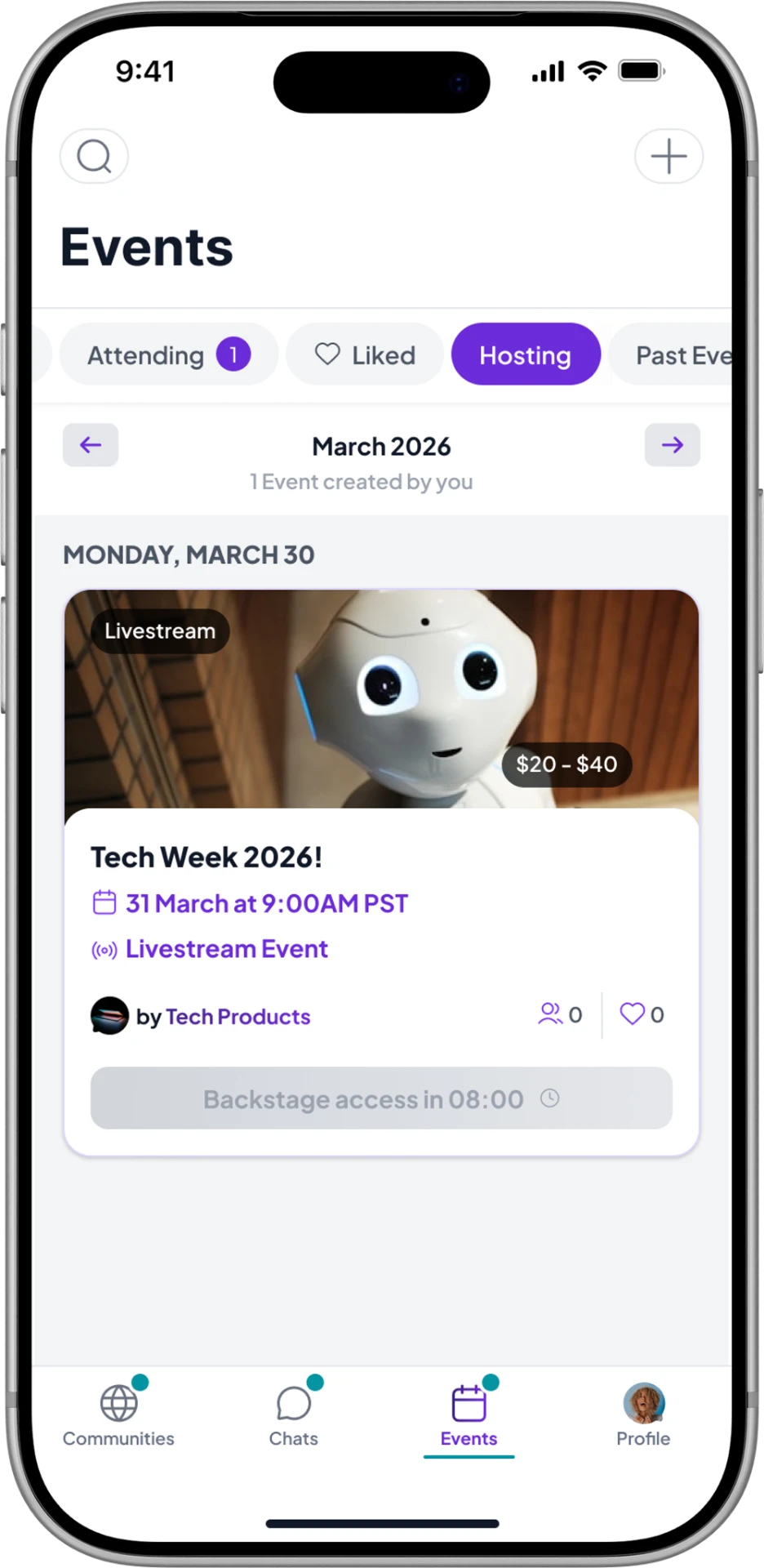
One event system covering live and in-person formats, from announcement through attendance.
Impact
Event coordination folded into the same surface members already use.
Placeholder · Imagery pending

Memberships and subscriptions

Problem
Monetization felt bolted on and disconnected from community access.
Solution
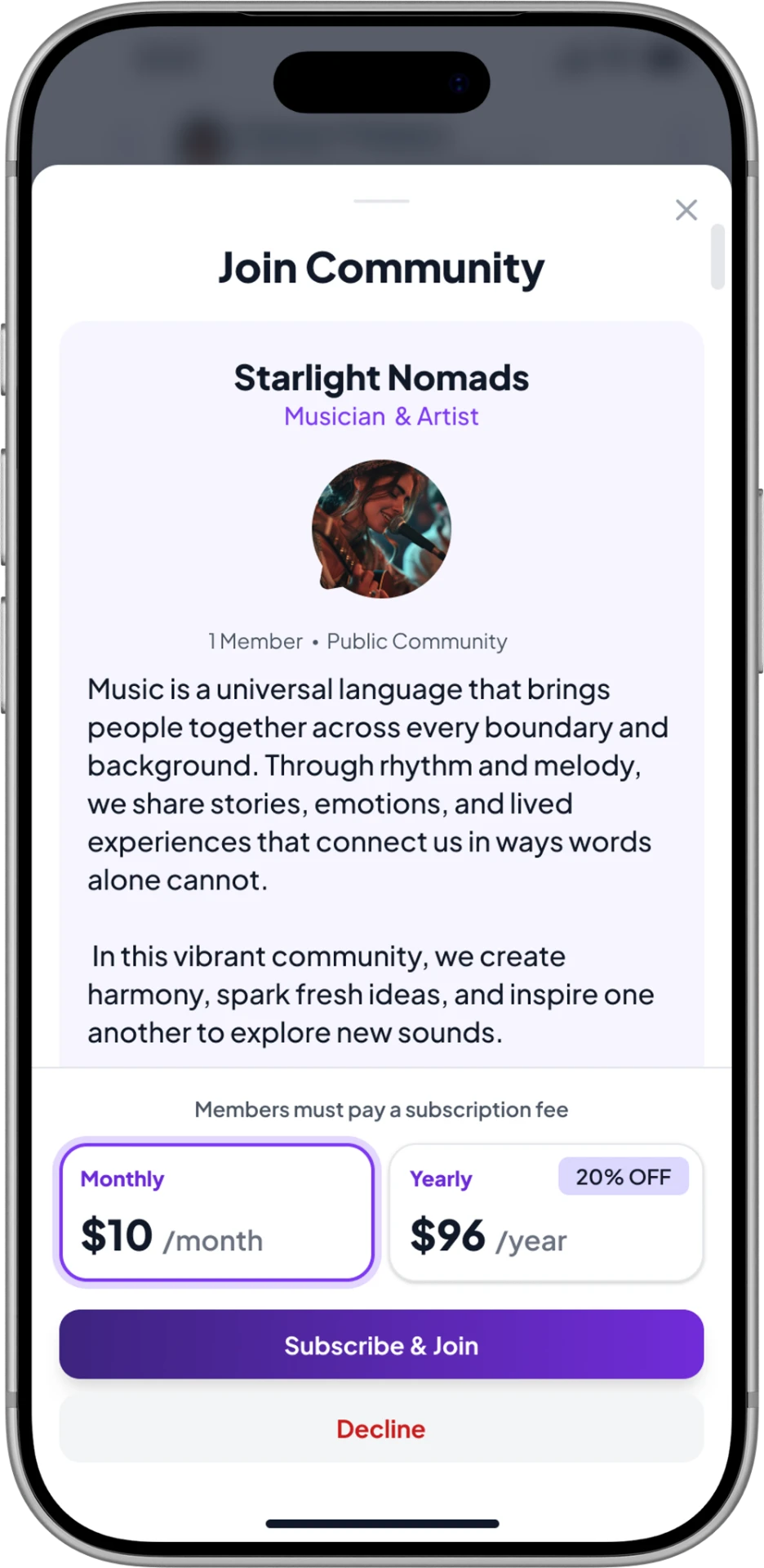
Subscription-based memberships tied directly to permissions and community access states.
Impact
Monetization became a native part of the community model.
Placeholder · Imagery pending

Design system

Problem
Rapid MVP work risked inconsistency as the platform expanded.
Solution
A scalable system covering navigation, messaging, hierarchy, events, subscription states, permissions, forms, and responsive layouts.
Impact
Future expansion without re-deriving the product's rules.
Design System

Built to outlast.Launch day.

Every surface ships from a shared system — tokens, components, and patterns documented so future teams can extend the product without re-deriving its rules.

Product Strategy
Information Architecture
Design System
Community UX
Messaging
Events
Subscriptions
The Impact

What it earned.In the world.

4
IA iterations explored before the final architecture
10+
Community, messaging, and membership models supported
MVP
Investor-ready product delivered

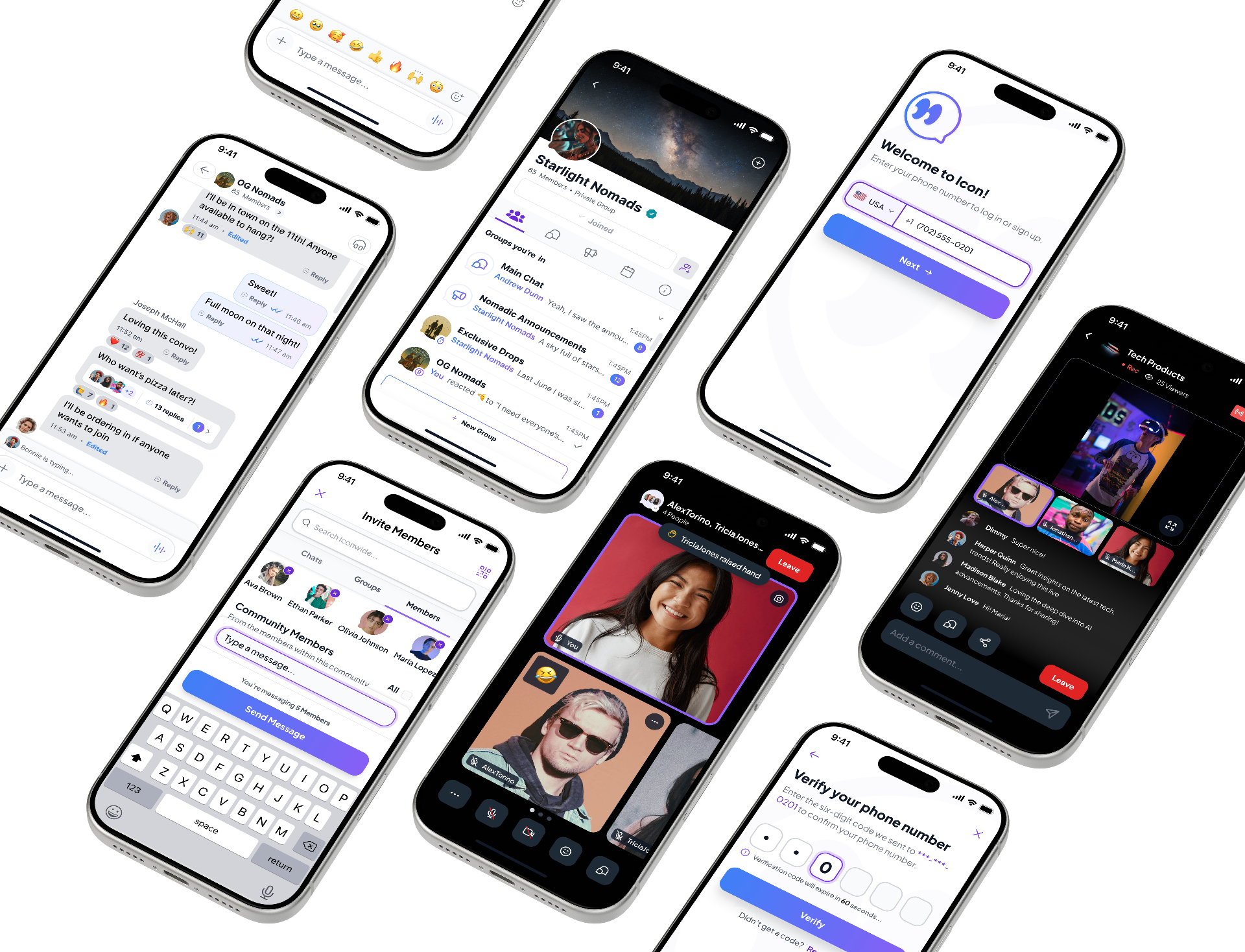
The final deliverable was an investor-ready MVP demonstrating how organizations could create communities, manage members, host conversations, launch events, and offer subscription memberships — communicating both the immediate value proposition and the long-term scalability of the platform.

Reflection

What worked.What I'd build next.

What changed

A unified activity model made a broad feature set feel like one product instead of many.

What surprised me

How much of the perceived complexity came from information architecture rather than interface design.

What I'd build next

Strong information architecture often determines whether a product feels intuitive long before visual design begins.

Next Chapter

Let's build the nextsuccess story.

Every case study in this portfolio began with a complex problem, an ambitious team, and a decision to build something better. If you’re solving the next one, I’d love to help.